What Is Branding?
What is Branding? Is it logo design? Is it color choice consistency? is it font choice? is it voice styles?
Yes, yes, mostly yes, and: in the wittiest and most clever way I can say it: YES!

Author: Colin Brown | This file is licensed under the Creative Commons Attribution 2.0 Generic license.
Historically speaking: the word brand comes from the Norse word: "brandr", which means: to burn.1 Traditionally, the term branding would apply to ranchers who would literally burn their mark onto their livestock in order to identify it as their own.
Of course, now-a-days, most marketing agencies involve gathering people to your product... So I guess you need to get out your branding irons and go round em' up cowboy! (don't actually)
Why do I need good branding?
This is going to be the shortest section I've ever written, but: If you don't have good branding, people won't know who you are or where to find you! The end.
Identify Organization Goals and Beliefs
Develop Brand Stratgy
(One that reflect your goals and beliefs)
Be Consistant
Help your audience remember who you are
Use Tools to repeat step 3
Make a brand kit. Stick with it!
Blog Content that's actually helpful:
Alright, now that I've got my word-count up a smidge, let's talk shop (that's why you're here anyway).
The #1 tip for creating starts with having a brand strategy. People pay lots of good money to hire agencies to help develop and/or execute brand strategy. In reality, for self-starters such as ourselves, brand strategy is simply the idea of planning out what everything will look like. And more importantly: Why it will look like it does.
Determining you Brand Strategy:
- Know your organizations goals and beliefs.
- Emulate those goals and beliefs through colors, fonts, logos, images, and tone of voice in your writing.
I'll take my work here at Square Hole Studios as an example:
Goals and beliefs (a VERY brief overview): My goal is to be a useful asset to local/small businesses and non-profits, leveraging my skills and talents to increase their online presence.
My Branding Strategy is to represent myself in a bright, fresh and quick-witted look to imply a clean and bold strategy.
Consistency is Key:
Just like someone practicing a musical instrument: If you practice notes the same way consistently, then when you go up on stage to perform Mozart (Or preferably Holst), then that's what you'll play.
When we practice our brand strategy, we are creating consistency in our communications about who we are. And just like musicians have tools like metronomes and tuners to help them we have a couple of key tools we can implement to create our own accurate consistency:
Build Your Brand Kit:
If I could recommend to any of my clients any 1 thing from this article it's this: make a brand kit. If you have one, you're pretty much done reading anything important here. It's the foundation point in creating content for any organization. If you don't have one, here's what you'll need:
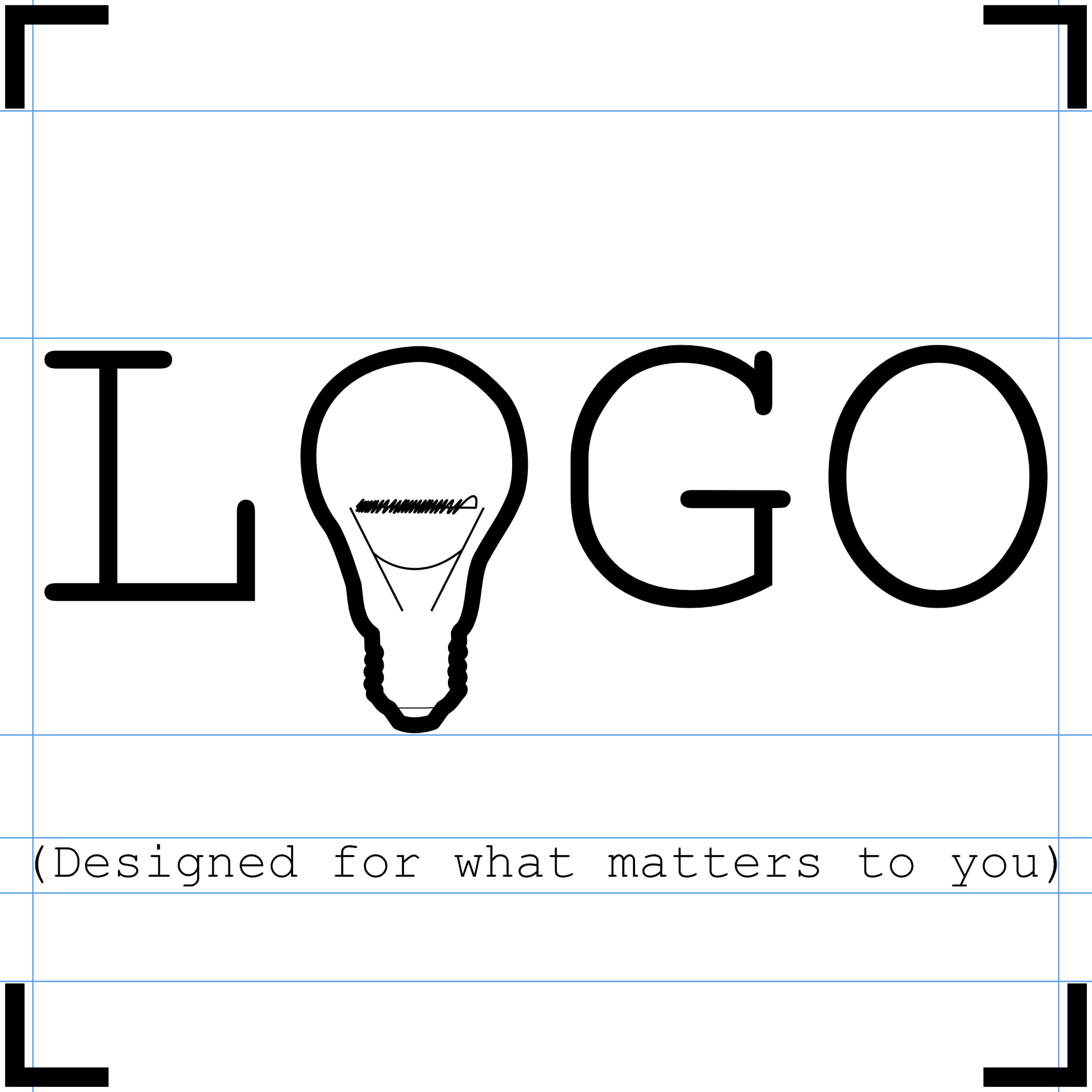
Kyle Zentmeyer (hey, that's me!) | All Rights Reserved
1. Logos
I would like to point out the plural tense of this. When I create a logo, I consider a few things.
First: I want it to be identifiable and unique. This may seem obvious but I keep seeing new companies coming out with unique logos that might be bold or modern, but lack any recognition to them. There is a trend of using your business/name initials in a clever twist that (in my getting older person perspective) makes them illegible and tangled up in the masses of copycats and I don't like them.
Second: I apply a vexillology (study of flags) strategy to my logo designs: If a child drew it, would you recognize it? This simplistic approach, I believe, is a good thing to consider when designing your logo. Not only will people be able to identify and recall it quicker, it also makes it much easier for printing things. Consider how your logo would scale up or down: if it's hard to identify at a 1" scale, or would look clunky on a billboard, maybe consider alternative designs.
When I add a logo package to a brand kit, I always include logos that are in color (if applicable), a black and a white variant. I also include versions with transparent backgrounds and a couple with solid backgrounds (used less but still useful) If (and you should) have a specific title font, I'll also include a couple of images with the logo with the company name with intentional placement choices.
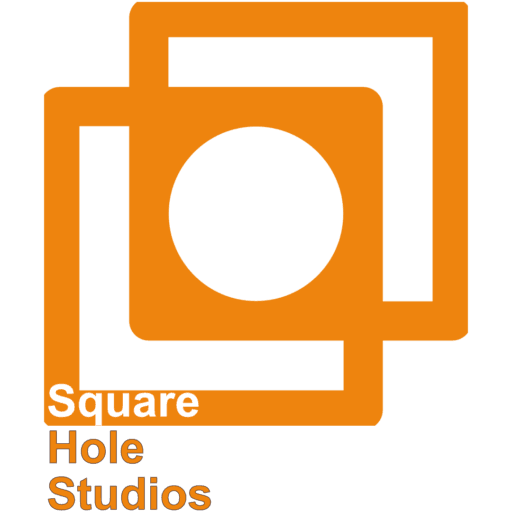


Square Hole Studios uses a clean and simple pattern that reflects the brand identity. The name stems from the idea of trying to fit a round peg into a square hole (metaphorically you need the right person for the right job and vise versa). If you look closely enough you might also notice that the design reminds you of a big ole' movie light (the ones with the barn doors). This is a nod to my love of video production work; another service I offer.
2. Fonts
I have more than one book on the history of fonts, and yes, I'm used to the finger pointing, laughing and ridicule of my friends and family. There is a lot of science and data that can be applied to picking a font family. But if you're just starting out I recommend the following points:
DO:
scroll through some fonts on your word processor of choice and find one that speaks to you. Do this before searching online because limiting your selection at first will give you a better sense of what you want before you overwhelm yourself with 60,000+ choices.
DO:
Be mindful of some nomenclature:2
Serifs: the little pointy parts at the tips of letters that bend in different ways
Sans-Serifs: Sans=not, Serif=see above
DO:
Be conscious of your brand strategies. While Comic Sans is fun, it's almost always interpreted as being childish and immature.
DON'T:
Pirate your font library. (not legal advise) Typeset creation is a process and there are professionals who make fonts. It's strongly recommended that if you want a specific font, be willing to pay to use it.
See how playful I seem?!
Square Hole Studios keeps everything serif-free. It's a popular look and I like that it's easy to read. In our logo our name has a rounded look to it that matches up with the "round peg" concept within the logo.

8-leaf clover, CC0, via Wikimedia Commons
3. Colors
Color choices are always the most lacking thing I come across when working with clients. When I ask what colors they want to use on their new website, I get a lot of answers in the range of "Oh, I don't know, whatever you think will look good on a website." As someone who reads other peoples articles on color theory, I recommend the following:
First: Read this great article that I didn't write about color theory3. Then:
- Pick a primary color
- Pick a secondary color
- If you're into it, pick a third!
Setting a global color scheme across your brand creates consistency, and if you want to change it down the road: It starts in your brand kit for easy reference for all your creators as you grow and develop your brand strategy.
My favorite color is orange. If you read Dean's article (and you should), Orange color is psychologically associated with warmth and happiness, friendliness and enthusiasm. all concepts I'm on board with. You'll also see a secondary color floating around here. It's currency a contrasting color of dark green (although as I continue adapt my strategies, it's likely going to change soon as I'm working towards a more triadic color scheme.)
4. Brand Voice
Imagine that you're explaining to someone what your brand or organization is all about. How you tell them should be the same tone of voice you use in your content (such as a blog (which you definitely have, right?), videos, about us pages, and social media posts). If it doesn't sound like something you'd say on one platform (e.g. on Facebook) but does sound like you on your blog, you've created an inconsistency that could divide your brand and confuse or split your target audience.
Quick-witted cleverness and satire has always been my style; both when writing and when talking with people. Being home schooled meant I had very little competition for the title of "class clown", but that didn't mean I didn't try and earn it anyway. It did mean that once I entered a competitive market, I did need to work on developing my comedic timing and balance my humor with a "slightly" more professional tone that balances my love of silliness with the heart-felt desire to build honesty and trustworthiness with my clients.
Summary:
- Make a brand kit that outlines your logo, color scheme, font types, and tone of voice.
- Try to be consistent.
- If it isn't working: Change it. (we didn't cover this, but it stands to reason that if it's not working for you it will continue to do just that.)
- Have fun creating things that match your organizations tone.

Original Logo
This Logo highlighted those cinema barn-door lights I mentioned earlier. You can also see the square and circle motif. The color choice was pointing towards a determination attitude. I don't like how it makes an enclosed, square frame anymore.
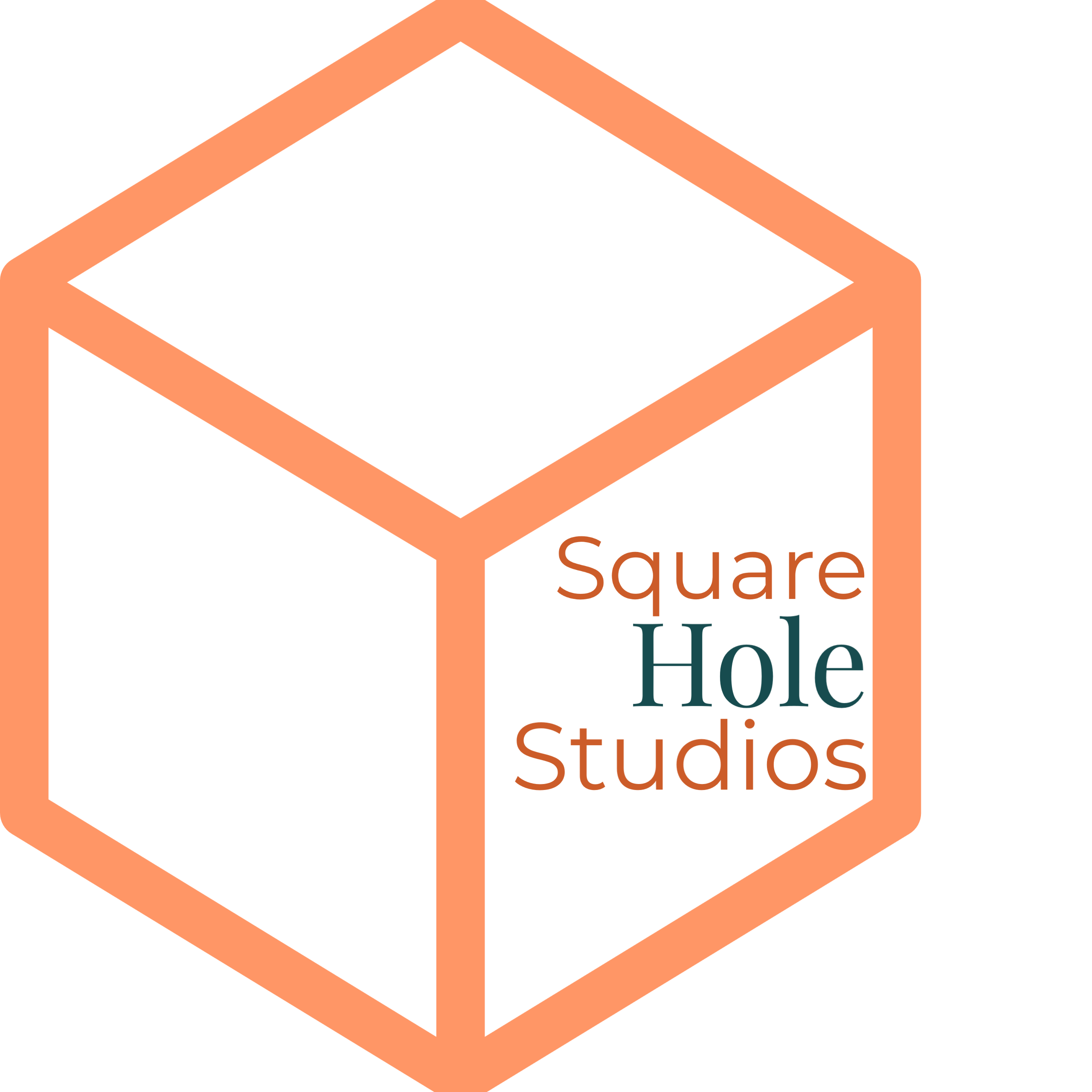
Version 2
This was a short-lived logo. I designed it to add more depth and dimension. It also set up the color scheme currently in use today. You can see that it's shortcomings is that it's very boring and only portrays the idea of "box". And while I love creating all-in-one solutions, I prefer to think "outside the box".
Current Design
As Highlighted above. My current design fulfils my design goals and I must say, that I really like it.
Ready to build your brand?
Whether you want help with webdesign, social media management, or designing and building your brand; We're here to help!

0 Comments